top of page

DISCOVER ALL OUR MATERIALS

SLS Printer Zongheng 3D SLS Printer

SuperMaker 3D SLS Printer

SLS printing

  • Printable dimensions: 150×150×180mm

  • Material options: PA11, PA12, TPU, PAGF, PACF

  • Industrial prototyping

  • Tolerances: ±0.05mm

SuperMaker 3D SLS Printer

Supermaker SLS 3540Pro 3D printer SLS nylon powder PA12 laser sintering production of supportless industrial parts
Large format 3D printer

SLS - Large Format

  • Maximum print volume: 350 × 350 × 430 mm

  • Compatible materials: PA11, PA12, TPU, PA-GF, PA-CF

  • Applications: industrial prototyping, functional parts, small production runs, tooling and technical components

  • Technology: Support-free Selective Laser Sintering (SLS)

  • Layer thickness: 0.1 to 0.3 mm

DISCOVER ALL OUR MATERIALS

image.png

PLA

Versatile · Durable · Economical


✅ Advantages

  • Excellent mechanical and fatigue resistance

  • Good dimensional stability

  • Broad compatibility with industrial applications

  • Easy post-processing (tinting, sandblasting, lacquering)

  • Value for money


❌ Limits

  • Grey color only (not natively colored)

  • Sensitive to humidity during storage

  • Rough surface finish without post-processing

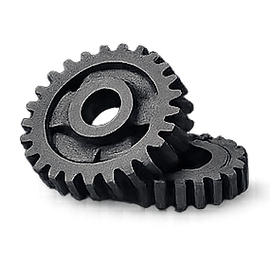
Nylon PA12 (series)

PETG

Reproducible · Industrial · Serial


✅ Advantages

  • Excellent repeatability between parts

  • Ideal for SLS series production

  • High impact and tensile strength

  • Compatible with industrial environments


❌ Limits

  • Same limitations as the standard PA12

  • Less suitable for flexible applications

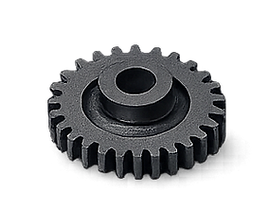
Nylon PA12 (grey)

PLA

Versatile · Durable · Economical


✅ Advantages

  • Excellent mechanical and fatigue resistance

  • Good dimensional stability

  • Broad compatibility with industrial applications

  • Easy post-processing (tinting, sandblasting, lacquering)

  • Value for money


❌ Limits

  • Grey color only (not natively colored)

  • Sensitive to humidity during storage

  • Rough surface finish without post-processing

PLA

PA11

Biobased · Flexible · Biocompatible


✅ Advantages

  • Bio-based origin, more ecological than PA12

  • More flexible and ductile than PA12

  • Excellent resistance to shocks and vibrations

  • Biocompatible, compatible with medical applications

  • Very good chemical resistance


❌ Limits

  • Slightly less rigid than the PA12

  • Price higher than standard PA12

  • Available primarily in white/natural

PETG

PA11-CF

Rigid · Lightweight · Structural


✅ Advantages

  • Very high rigidity and mechanical resistance

  • Lighter than metal alternatives

  • Preserves the ductility of PA11

  • Ideal for lightweight structural parts

  • Biobased origin (PA11)


❌ Limits

  • Fragile to localized impacts (carbon fiber)

  • Rough surface — composite appearance

  • High price

  • Black tint only

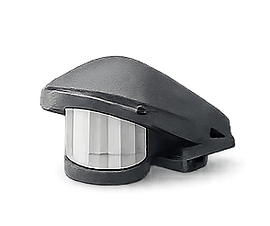
PA11 ESD

Antistatic · Protective · Electronic


✅ Advantages

  • Dissipation of electrostatic charges (ESD)

  • Protects sensitive electronic components

  • Mechanical properties of PA11 preserved

  • Certified for strict ESD environments

  • Complex geometries without support


❌ Limits

  • Very specific use — not versatile

  • Premium price

  • Color usually grey/black only

  • Limited post-processing (risk of altering ESD properties)

PA12-GF

PLA

Rigid · Stable · Thermal


✅ Advantages

  • Superior rigidity compared to standard PA12

  • Very good dimensional stability

  • Better thermal resistance

  • Less fragile to impacts than carbon fiber

  • Good value for money


❌ Limits

  • Surface rougher than standard PA12

  • Heavier than fiber composites

  • Less shock-resistant than PA11

  • Post-processing is more difficult

PETG

PA2210 FR

Flame retardant · Certified · Aeronautical


✅ Advantages

  • Flame retardant certification (FR, Flame Retardant)

  • Approved for aeronautics and defense

  • Good mechanical properties retained

  • Complex geometries without support

  • Meets the strictest fire standards


❌ Limits

  • Very specific and regulated use

  • Very high price

  • Limited availability

  • Limited post-processing to maintain certification

PA12 (Food grade)

Food-grade · Certified · Detectable


✅ Advantages

  • Certified for food contact

  • Blue color for visual detection in production line

  • Resistance to food cleaning and disinfecting agents

  • Complex geometries without support

  • Compliant with FDA/EC food regulations


❌ Limits

  • Blue color only, no other shade available

  • Use restricted to the food/medical sector

  • Higher price than the standard PA12

  • Certification to be verified according to country and application

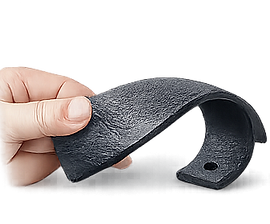
TPU 88A

Flexible · Elastic · Absorbent


✅ Advantages

  • Excellent flexibility and elasticity (Shore 88A)

  • No support needed — free geometries

  • Very good abrasion resistance

  • Rebound and shock absorption

  • Complex parts in a single print


❌ Limits

  • Less rigid than PA grades

  • Higher price than the standard PA12

  • Surface finish to be post-treated if aesthetics are required

DISCOVER ALL OUR MATERIALS

Bambu Lab X1C

Bambu Lab X1C

3D printing for series

  • 256 x 256 x 256mm print volume

  • Multi-color printing

  • Very rapid prototyping

  • Stable and reliable series production

Bambu Lab H2C next-generation high-speed automated multi-material 3D printer for industrial prototyping

Bambu Lab H2C

Multi-material printing:

  • 350 x 320 x 325mm

  • 24 colors / piece

  • Multi-material assembly / piece

  • Automated 7-nozzle magazine

  • Controlled room temperature

  • Wide selection of materials

Modix Big Meter Large Format Printer
Large format 3D printer

Modix Big Meter

Large format 3D printing:

  • Print volume: 1 cubic meter

  • Equipped with a separate bedroom

  • All types of technical materials in large volumes

  • Unparalleled print quality

Prusa Core One

Prusa Core One

Rapid industrial prototyping

  • 250 x 220 x 270mm print volume

  • Equipped with a separate bedroom

  • Print on ASA, ABS, PC, PA...

  • Maximum print quality

Intamsys Funmat HT high-temperature 3D printer PEEK ULTEM PEI aerospace industry prototyping technical parts

xTool F1

Laser Engraver

  • Engraving at 4000mm/s on over 300 materials

  • Ultra-detailed engraving + laser cutting

  • Lightweight and portable

DISCOVER ALL OUR MATERIALS

PLA

materials.png

PLA, the default material


✅ Advantages

  • Ultra-fine print quality

  • Rapid and detailed prototyping


❌ Limits

  • Not suitable for technical parts or mechanical assemblies

  • Not resistant to solvents and other chemicals

  • Not UV resistant

PETG

materials.png

The PLA's big brother


✅ Advantages

  • Good mechanical resistance

  • Good chemical resistance

  • Flexible without breaking

  • More resistant to moisture than PLA

  • Good compromise between ease of use and durability.


❌ Limits

  • Average thermal resistance (~80°C)

  • Surface less sharp than PLA

materials.png

Flexibility without the hassle


✅ Advantages

  • Very flexible

  • Excellent abrasion resistance

  • Impact resistance

  • Good chemical resistance

  • High durability


❌ Limits

  • Bad for structural parts

  • Slow printing

materials.png

ABS

The classic for technical parts


✅ Advantages

  • Good thermal resistance (~100°C)

  • Good mechanical resistance

  • Can be smoothed with acetone

  • Good for functional parts


❌ Limits

  • Poor UV resistance

  • Strong odor

ASA

materials.png

An external need?


✅ Advantages

  • Excellent UV resistance

  • Good thermal resistance (~100°C)

  • Good mechanical resistance

  • Ideal for outdoor use

  • Can be smoothed like ABS


❌ Limits

  • Price higher than ABS

  • More technical printing

PA12-CF (Carbon fiber nylon)

materials.png

Rigid, lightweight, technical


✅ Advantages

  • Very high rigidity

  • Excellent mechanical resistance

  • Very good dimensional stability

  • High thermal resistance (~180°C)

  • Reduced weight


❌ Limits

  • High cost

  • Less impact-resistant than pure nylon

  • Rough surface

materials.png

PA12-GF (Fiberglass Nylon)

Stable, robust, industrial


✅ Advantages

  • High rigidity

  • Very good thermal resistance

  • Very good dimensional stability

  • Good chemical resistance

  • Less fragile than CF


❌ Limits

  • Heavier weight than CF

  • Rougher surface

  • High price

materials.png

PP (Polypropylene)

Lightweight, flexible and chemical resistant.


✅ Advantages

  • Very good chemical resistance

  • Very light

  • Very good fatigue resistance (hinges)

  • Flexible yet strong

  • Moisture resistant


❌ Limits

  • Surface sometimes difficult to paint/glue

  • Less rigid

  • Sensitive printing settings

materials.png

PPS-CF

Extreme performance for harsh environments.


✅ Advantages

  • Withstands temperatures up to ~220-240°C

  • Excellent chemical resistance

  • Very dimensionally stable

  • Very high mechanical resistance

  • Used in heavy industry


❌ Limits

  • Very expensive

materials.png

PA12-GF (Fiberglass Nylon)

Maximum industrial performance


✅ Advantages

  • Extreme thermal resistance (≈ 250–300°C)

  • Very high mechanical resistance

  • Excellent dimensional stability

  • Exceptional chemical resistance

  • Medically compatible (depending on grade)


❌ Limits

  • Very expensive

  • Not compatible with standard printers

materials.png

PP (Polypropylene)

Advanced Accessible Performance


✅ Advantages

  • Very high thermal resistance

  • Excellent inter-layer adhesion

  • Good compromise between performance and impression


❌ Limits

  • High cost

  • Slightly less efficient than PEEK

  • Less known to the general public

materials.png

PPS-CF

Extreme high temperature


✅ Advantages

  • Very high thermal resistance (≈ 200–220°C)

  • Excellent rigidity

  • Good chemical resistance

  • Flame retardant (UL94 V0)

  • Low moisture absorption


❌ Limits

  • High cost

  • Average impact resistance

  • Limited appearance (amber / translucent)

DISCOVER OUR CNC MACHINE

Screenshot_2026-08-01_at_23.36.42-removebg-preview (1).png

Carvera Ultimate Makera

CNC Machine

  • Tabletop dimensions:
    360mm x 240mm x 140mm

  • Possible materials: Aluminum, brass, copper, wood, plastics, ...

  • Closed-loop servomotors (collision protection)

  • Multi-material machining on a single machine

  • PCB manufacturing in-house, without subcontracting

  • Accuracy 0.01 mm

OUR COMPLEMENTARY MACHINES

xTool F1

xTool F1

Laser Engraver

  • Engraving at 4000mm/s on over 300 materials

  • Ultra-detailed engraving + laser cutting

  • Lightweight and portable

Anycubic Photon Mono M7 Max

Anycubic Photon Mono M7 Max

3D Printing Resin

  • 298 x 300 x 164mm print volume

  • Automatic resin recycling

  • Temperature-controlled resin tank

  • Spray cleaning

  • 360° dimensional drying

SMS 3D deVOK MT machine additive manufacturing multi-technology industrial prototyping production of technical parts

xTool F1

Laser Engraver

  • Engraving at 4000mm/s on over 300 materials

  • Ultra-detailed engraving + laser cutting

  • Lightweight and portable

bottom of page